
A study of how we perceive intelligence that is not human.
At its center is a doll: a physical object.
But the work does not exist in material form alone, it also lives as a story, a process, and a series of interactions with our social media audience in real time.
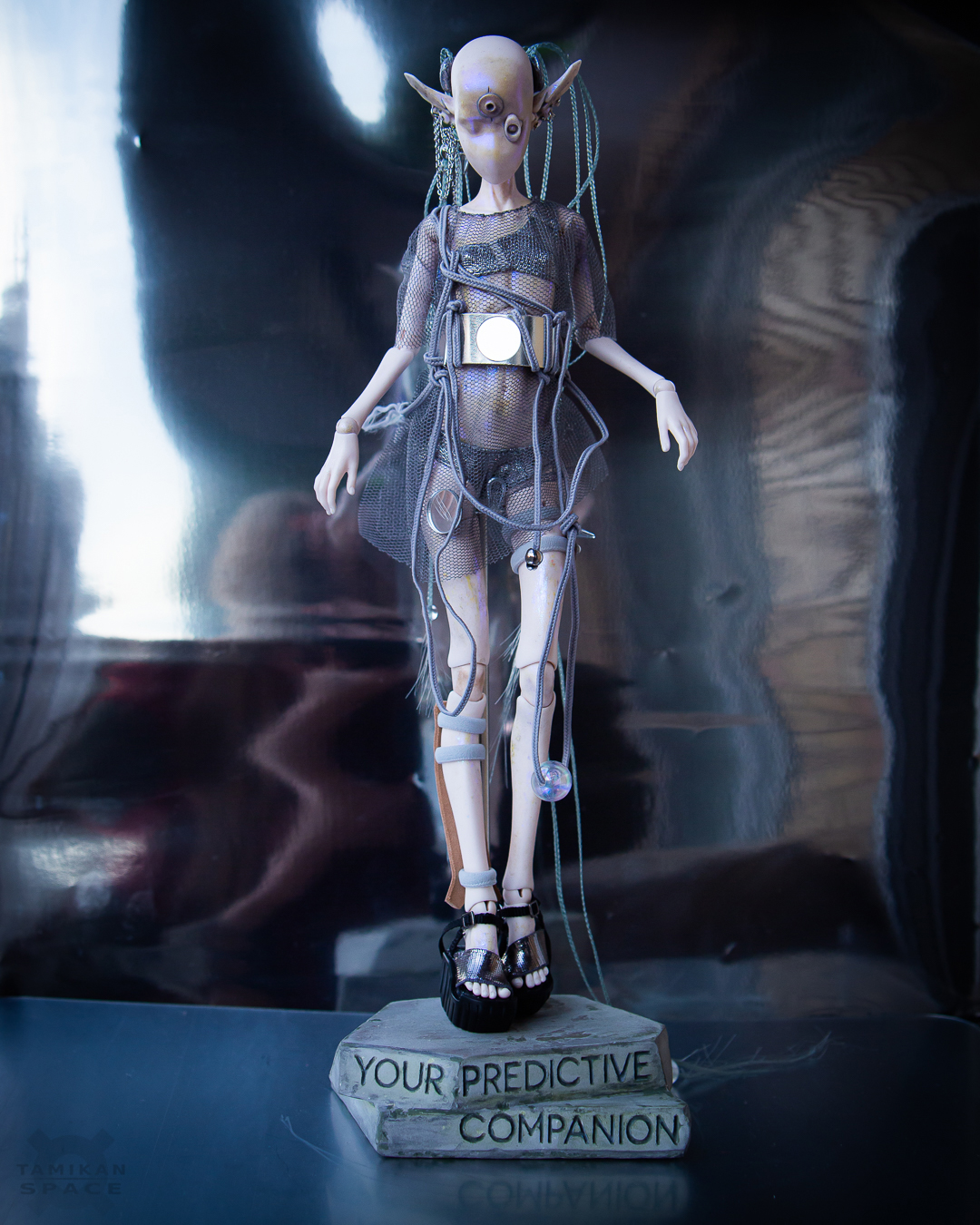
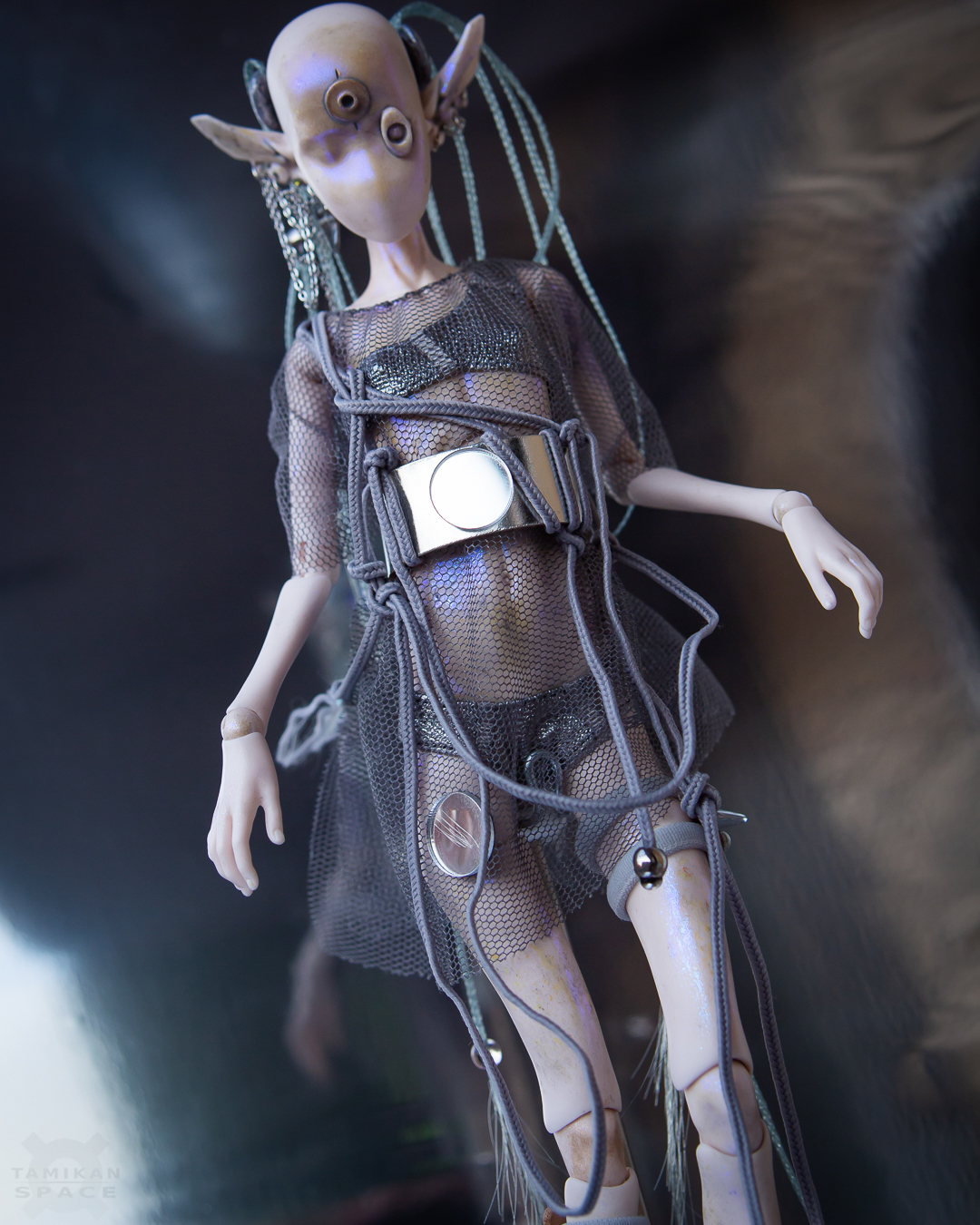
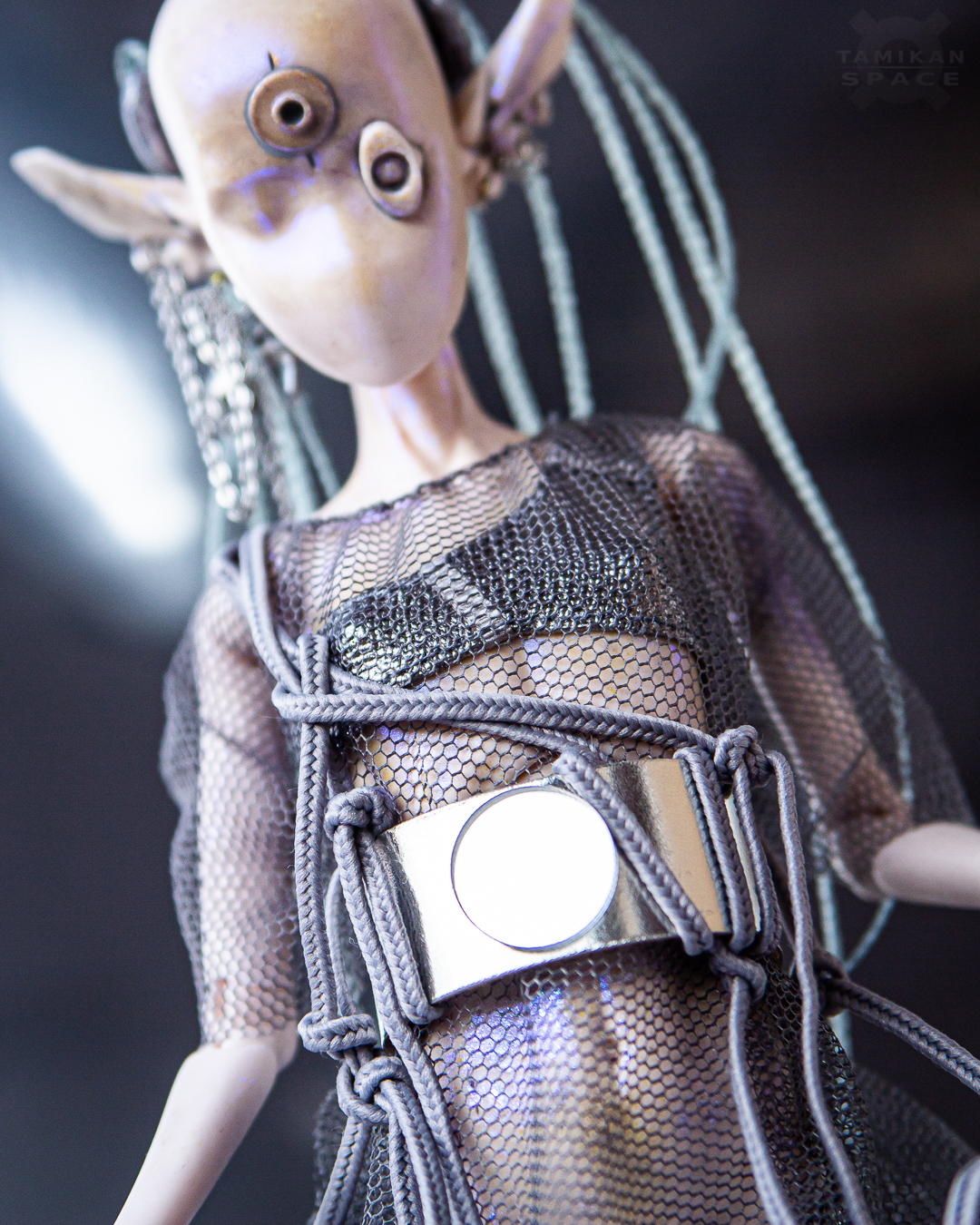
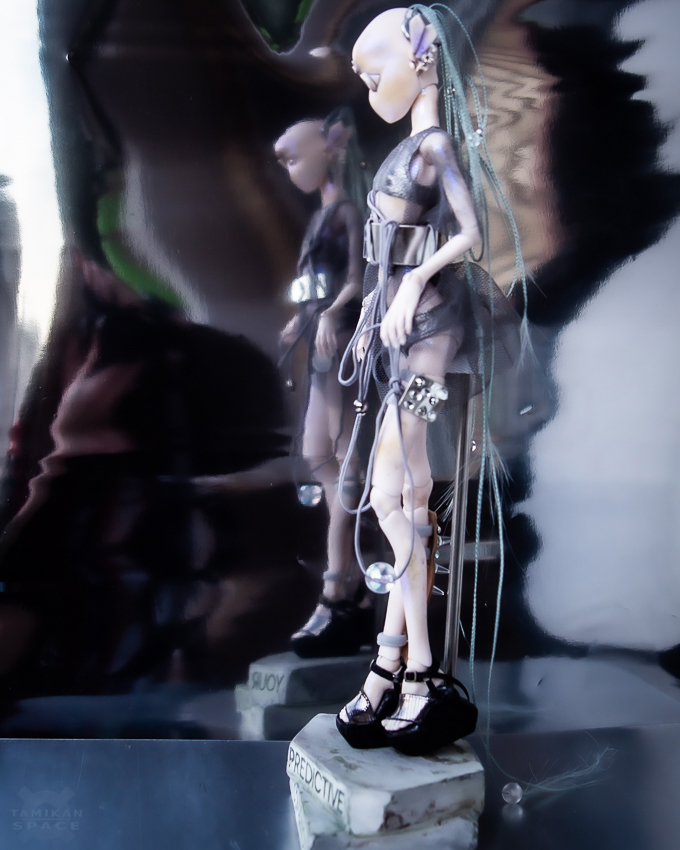
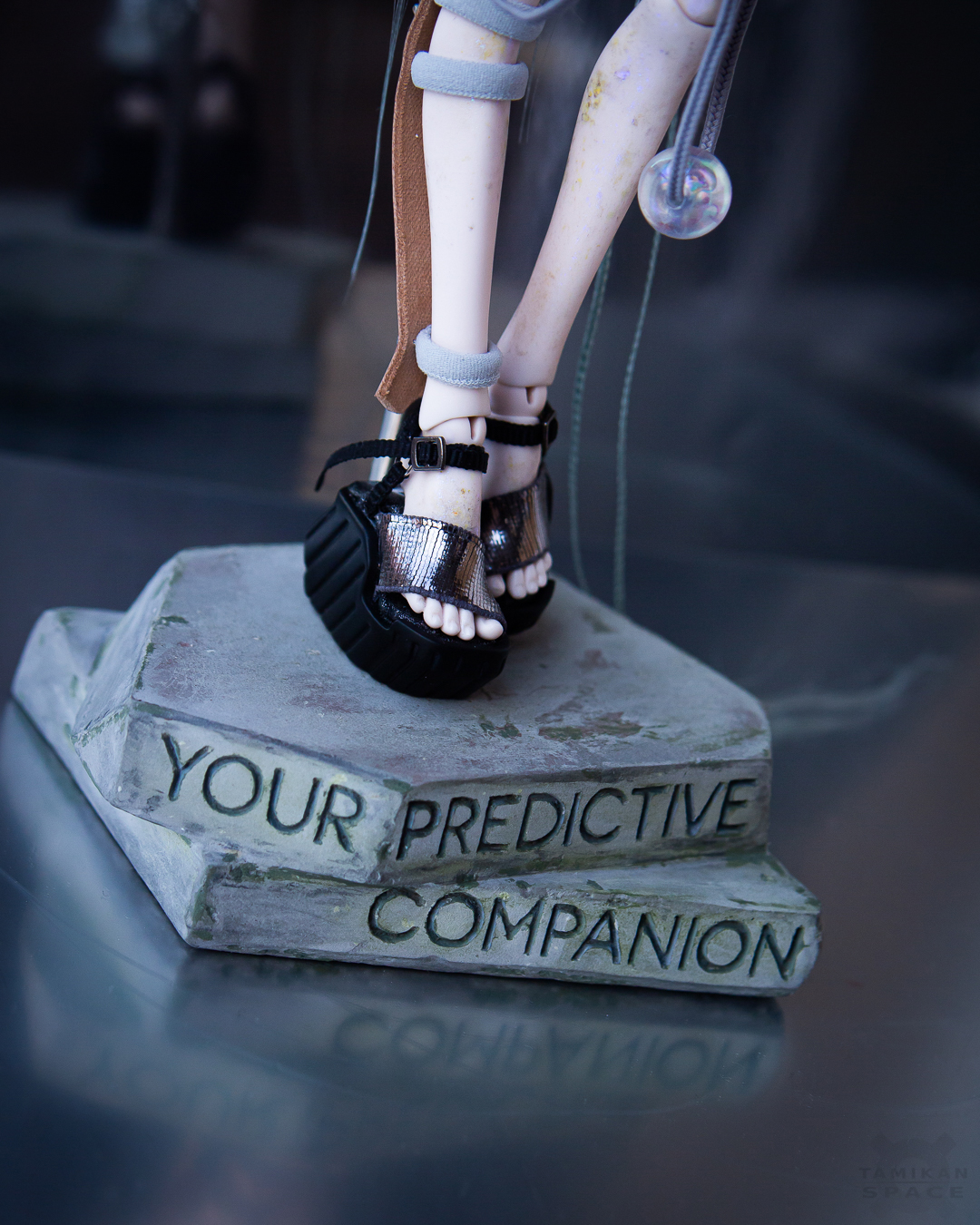
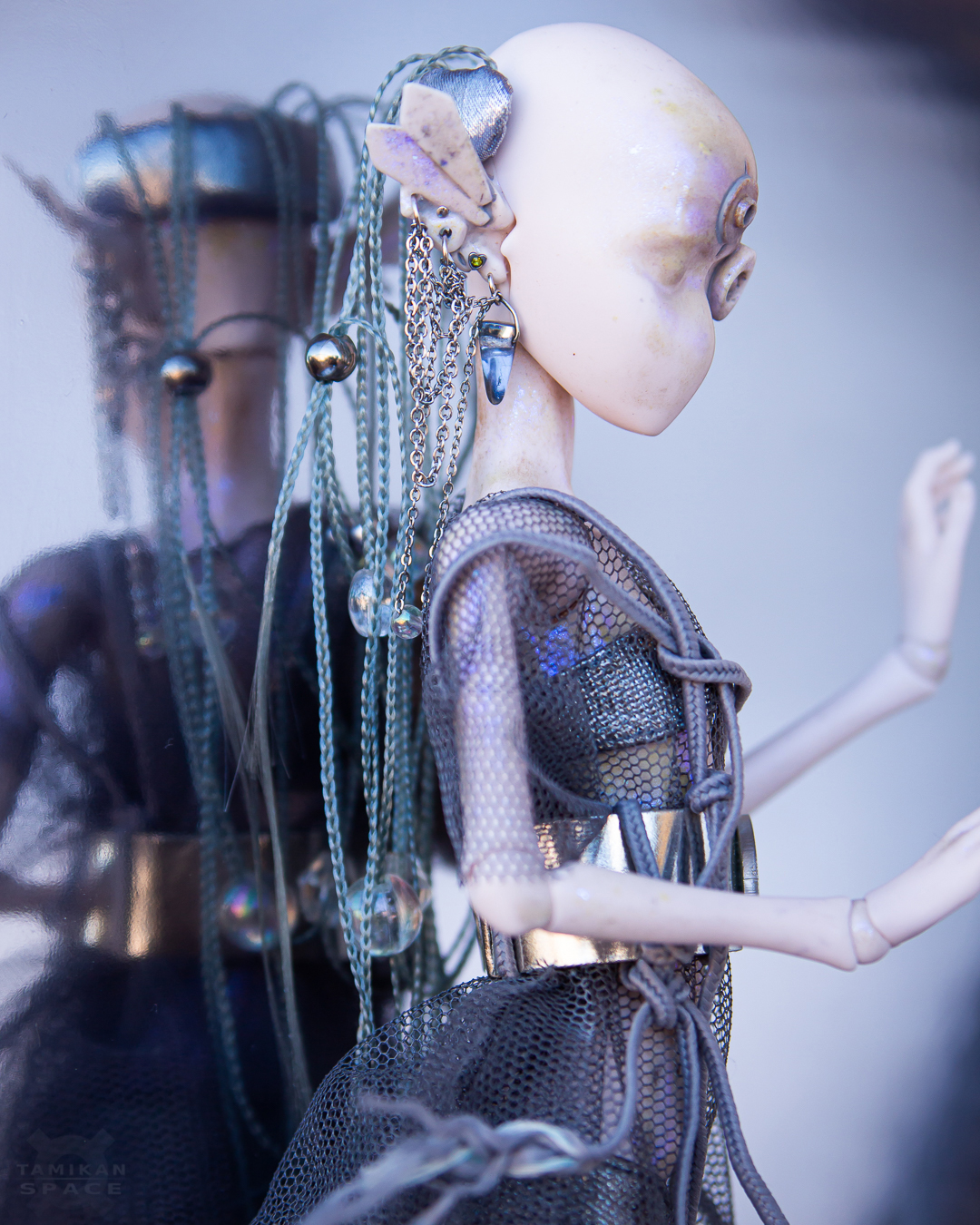
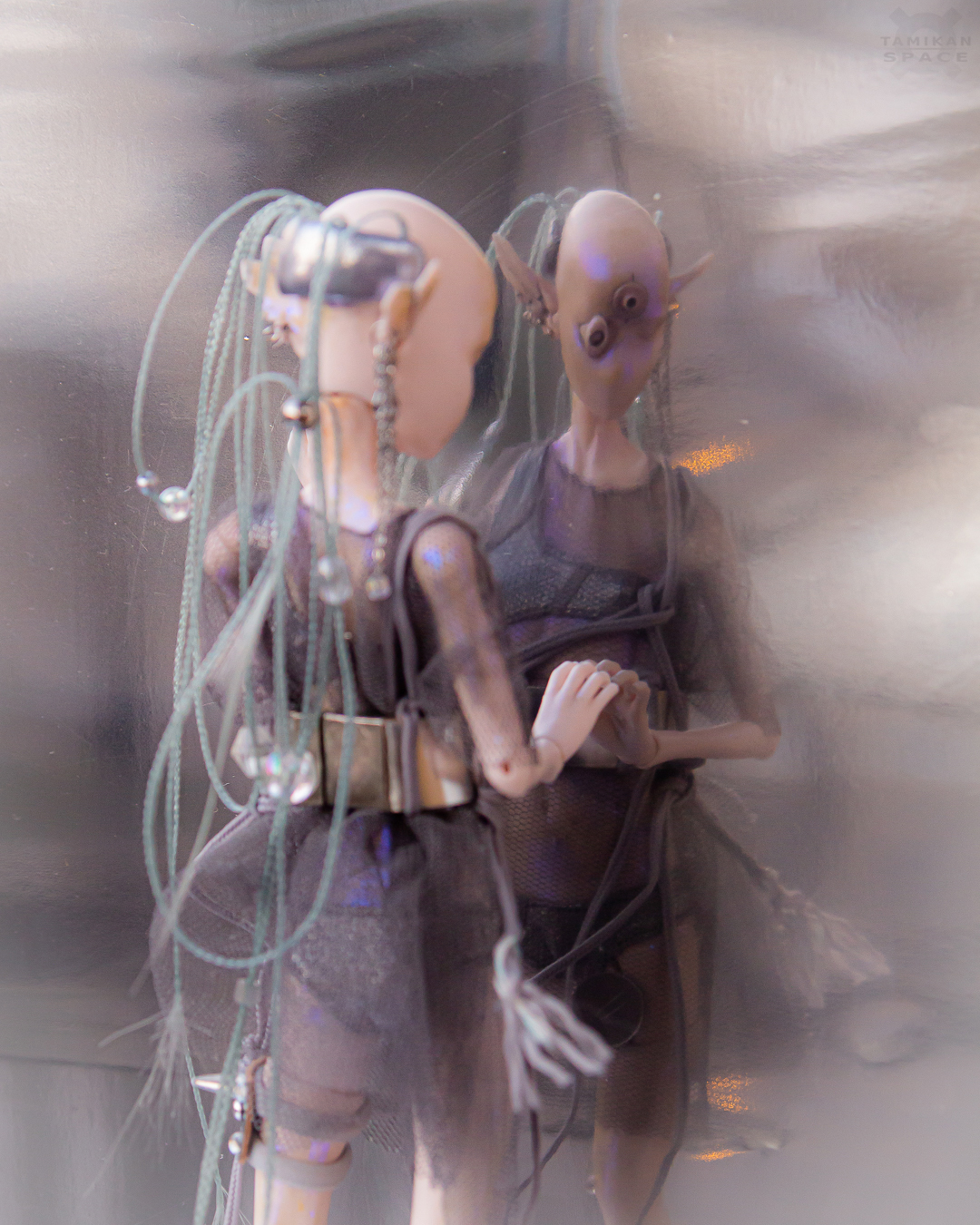
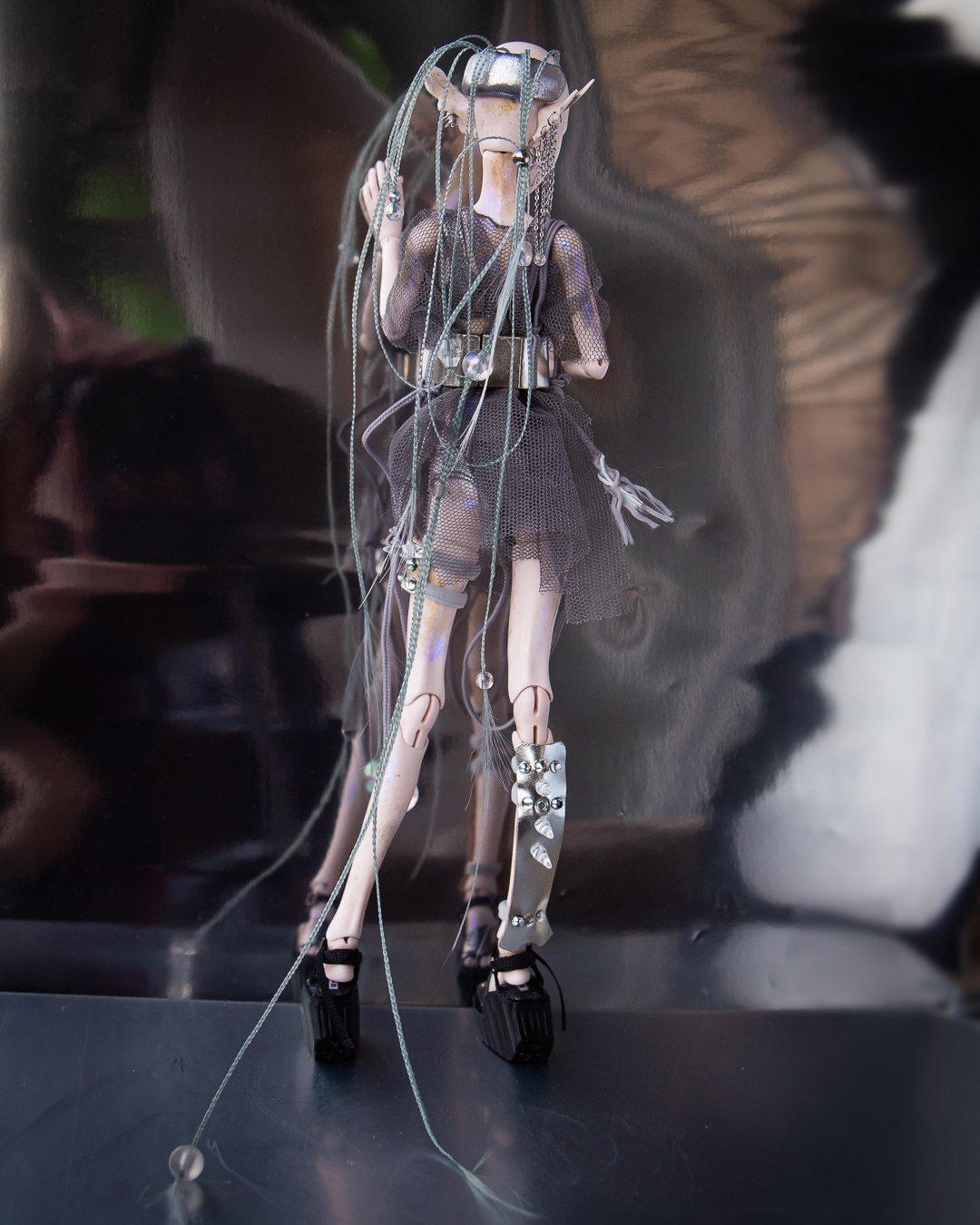
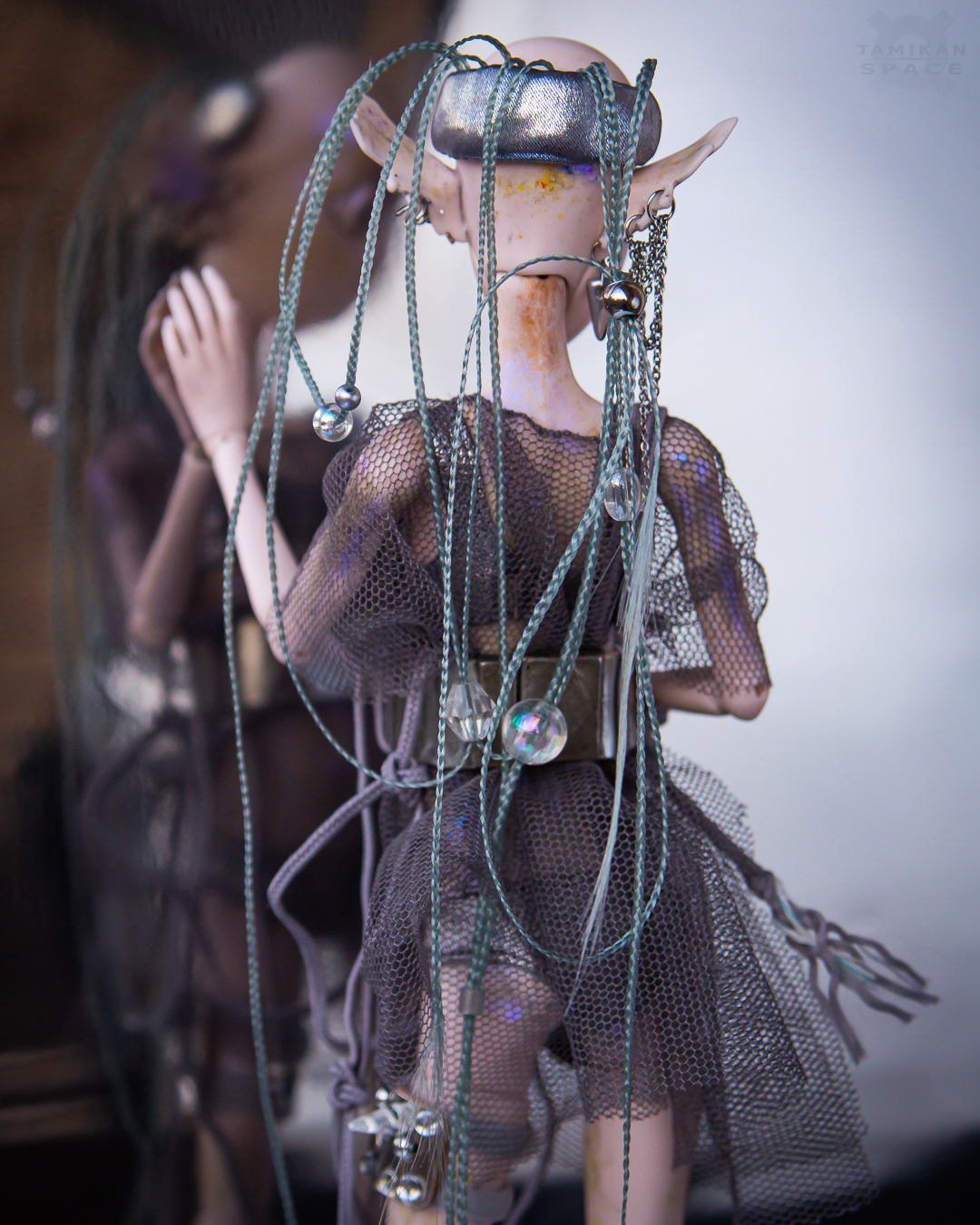
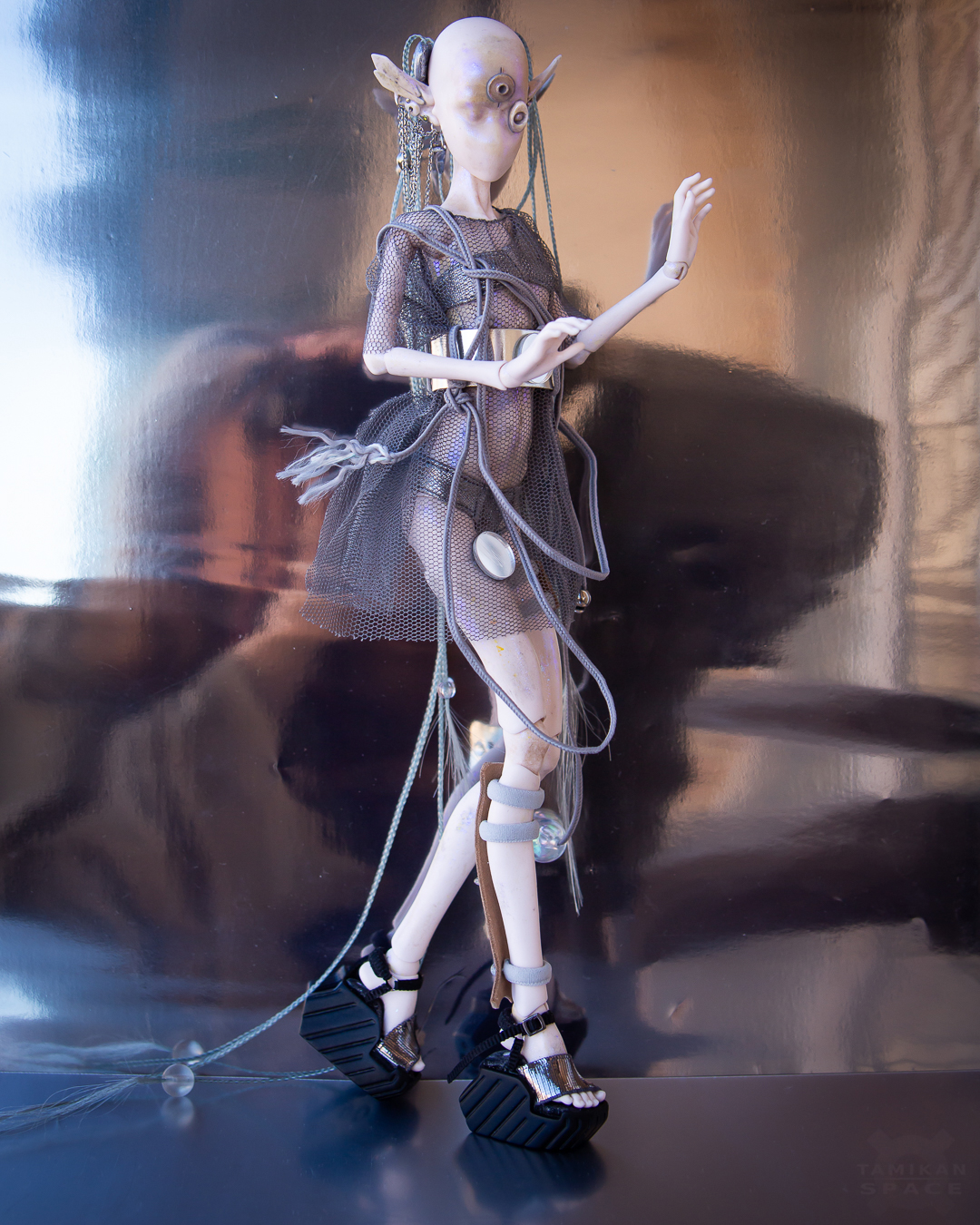
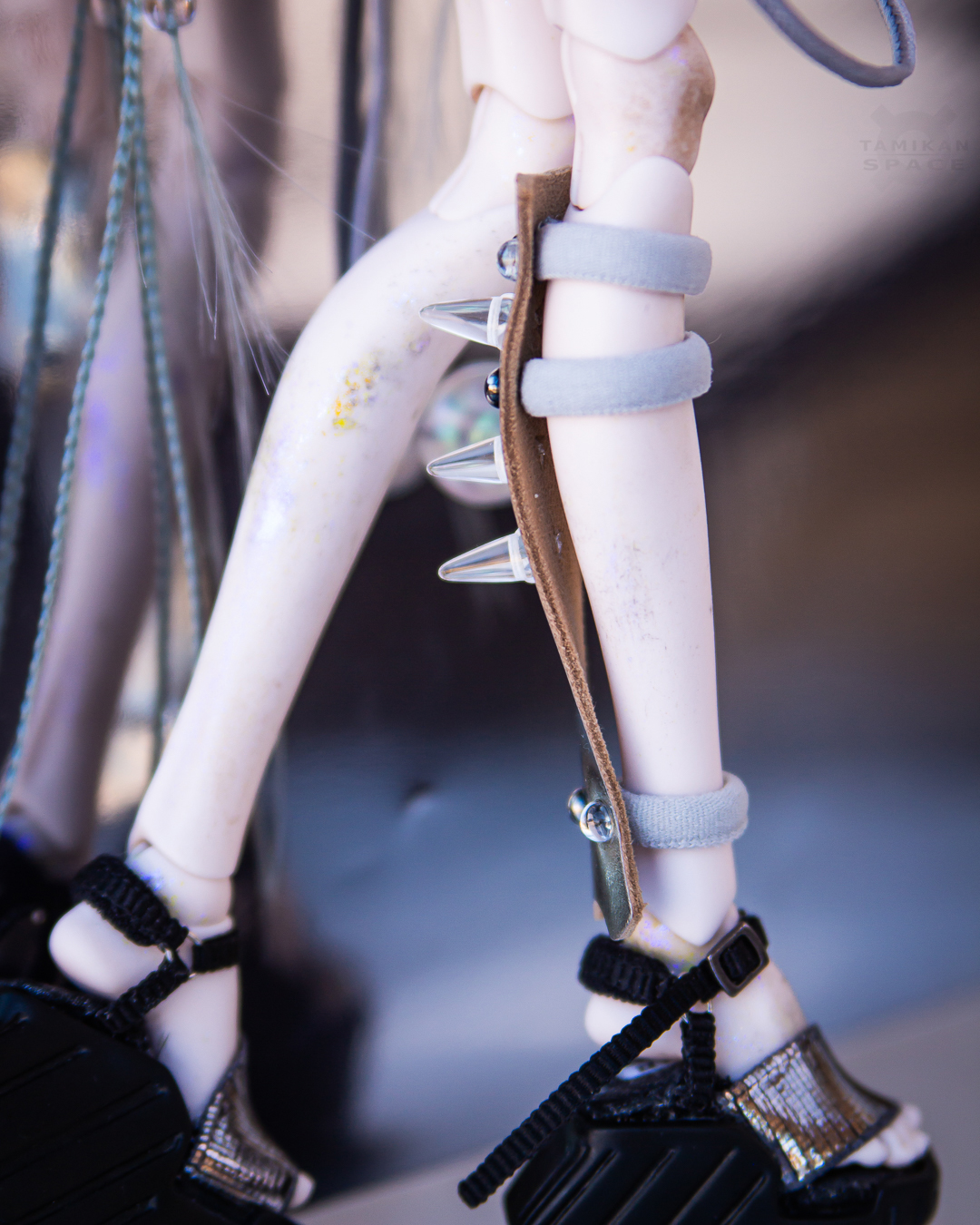
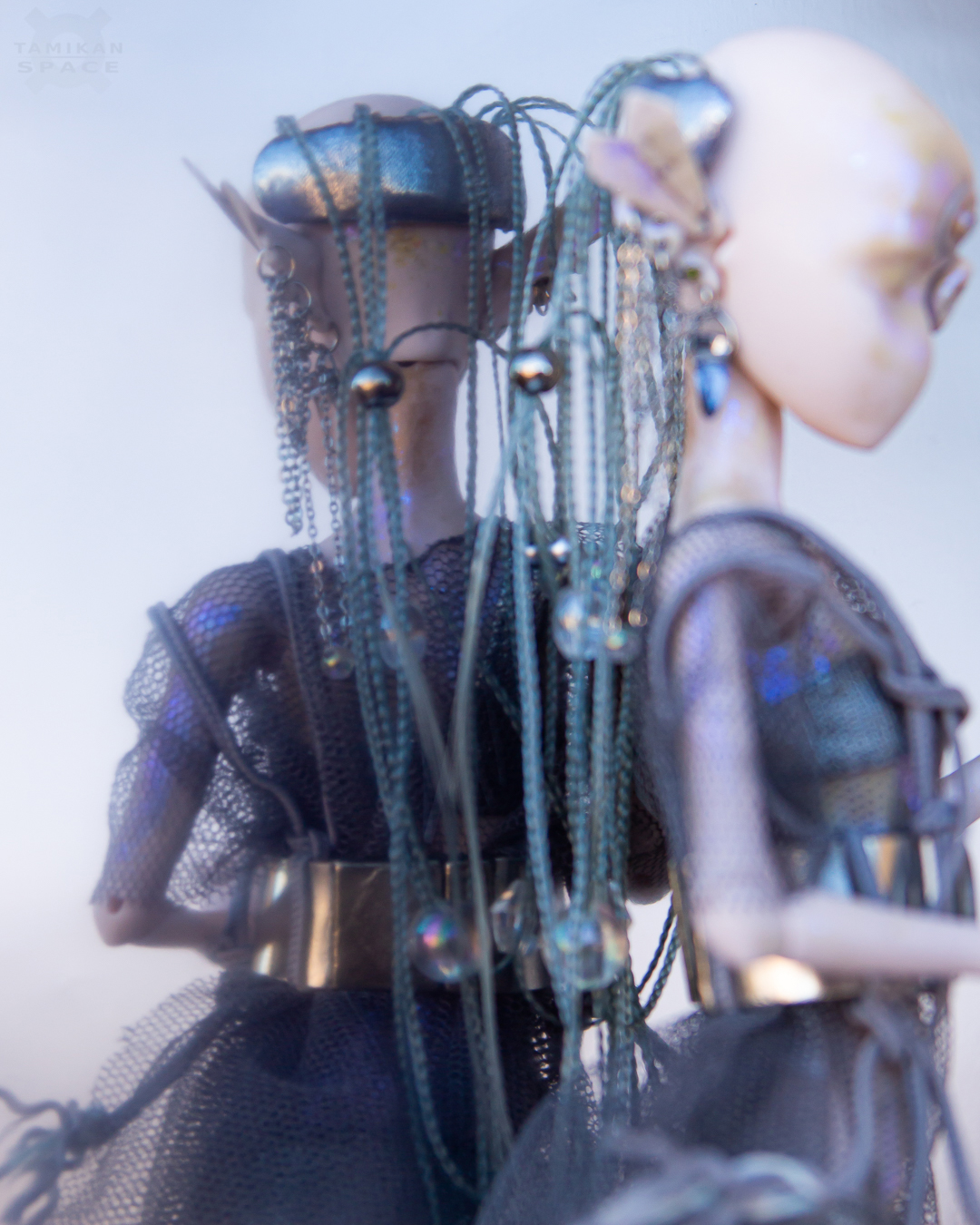
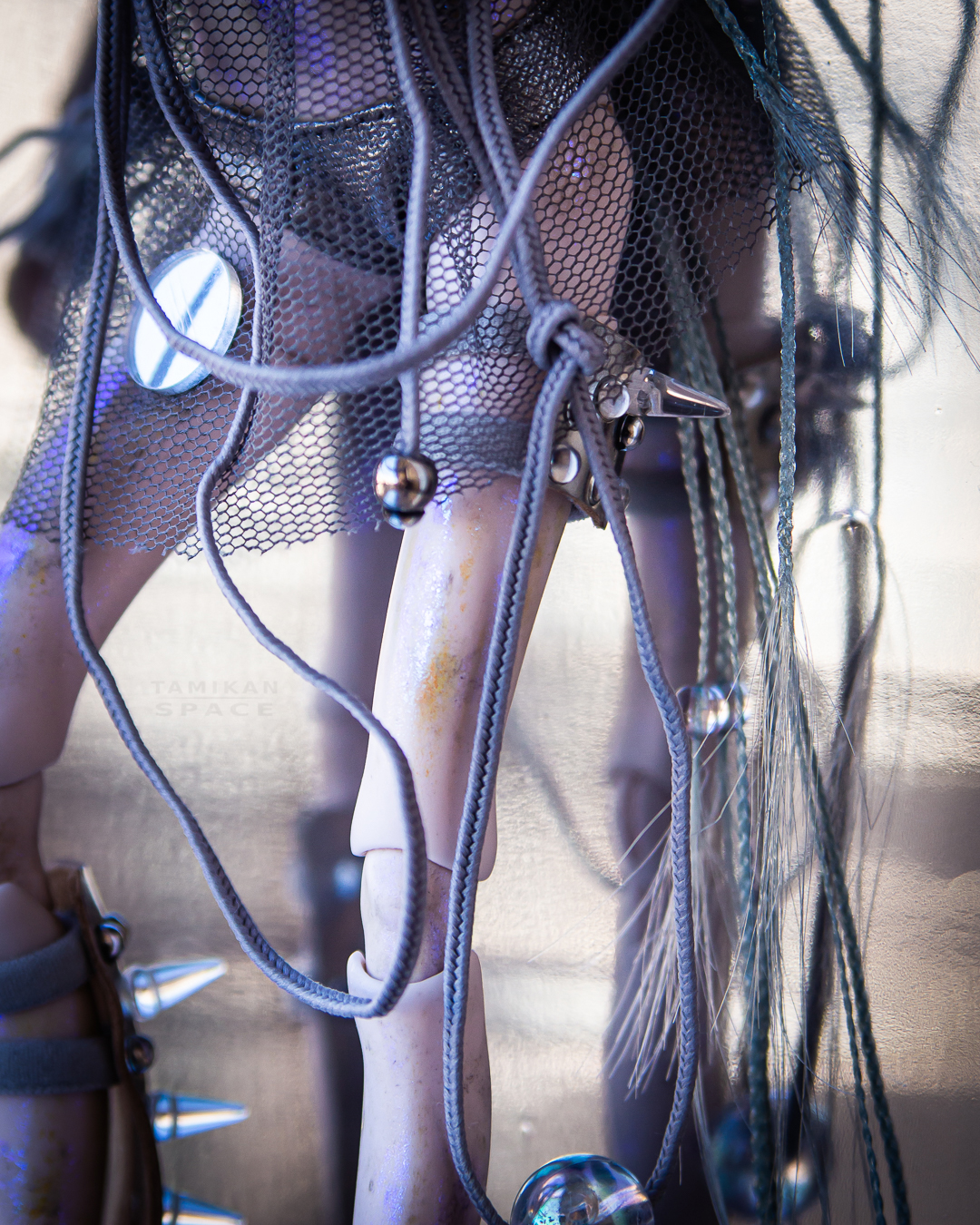
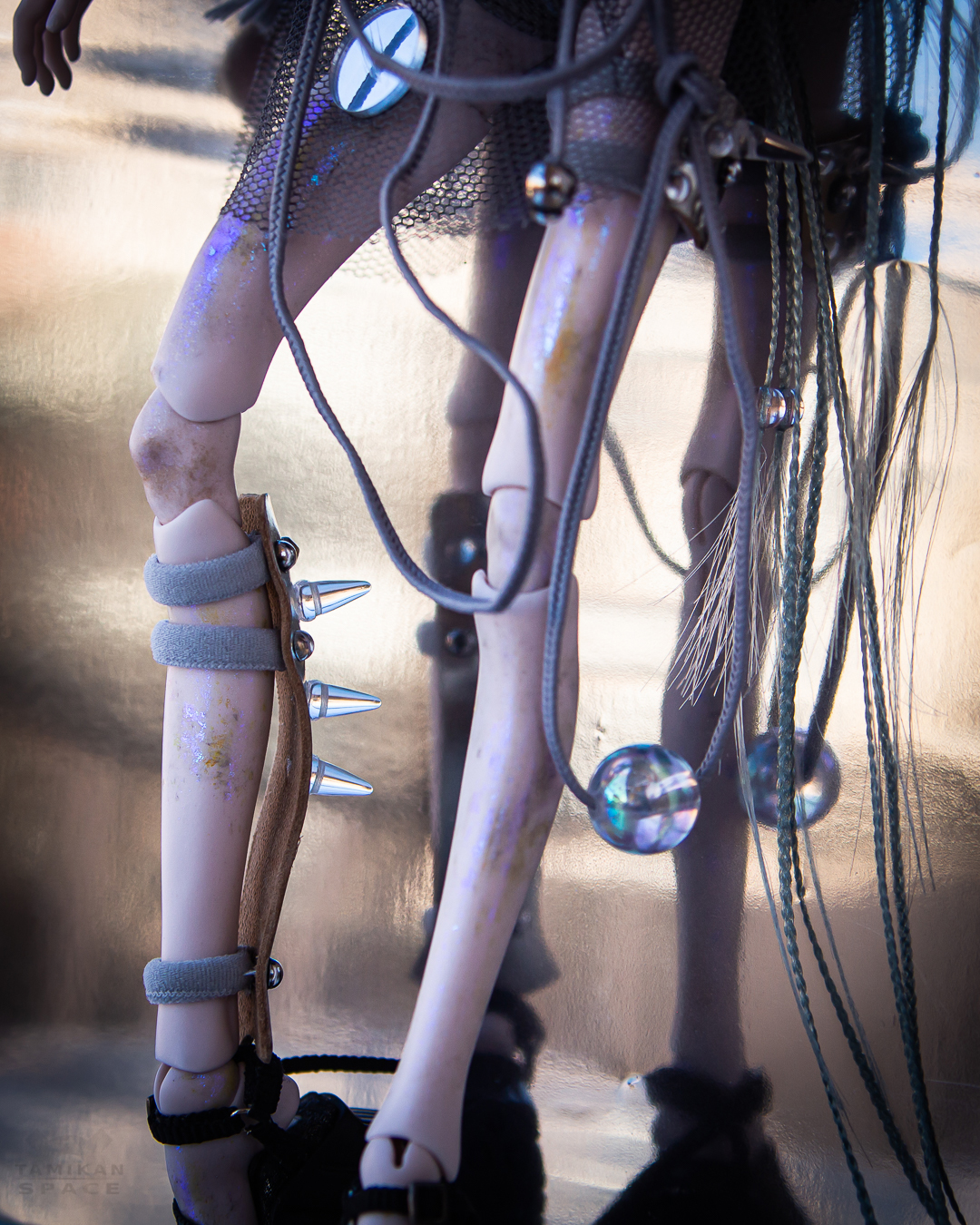
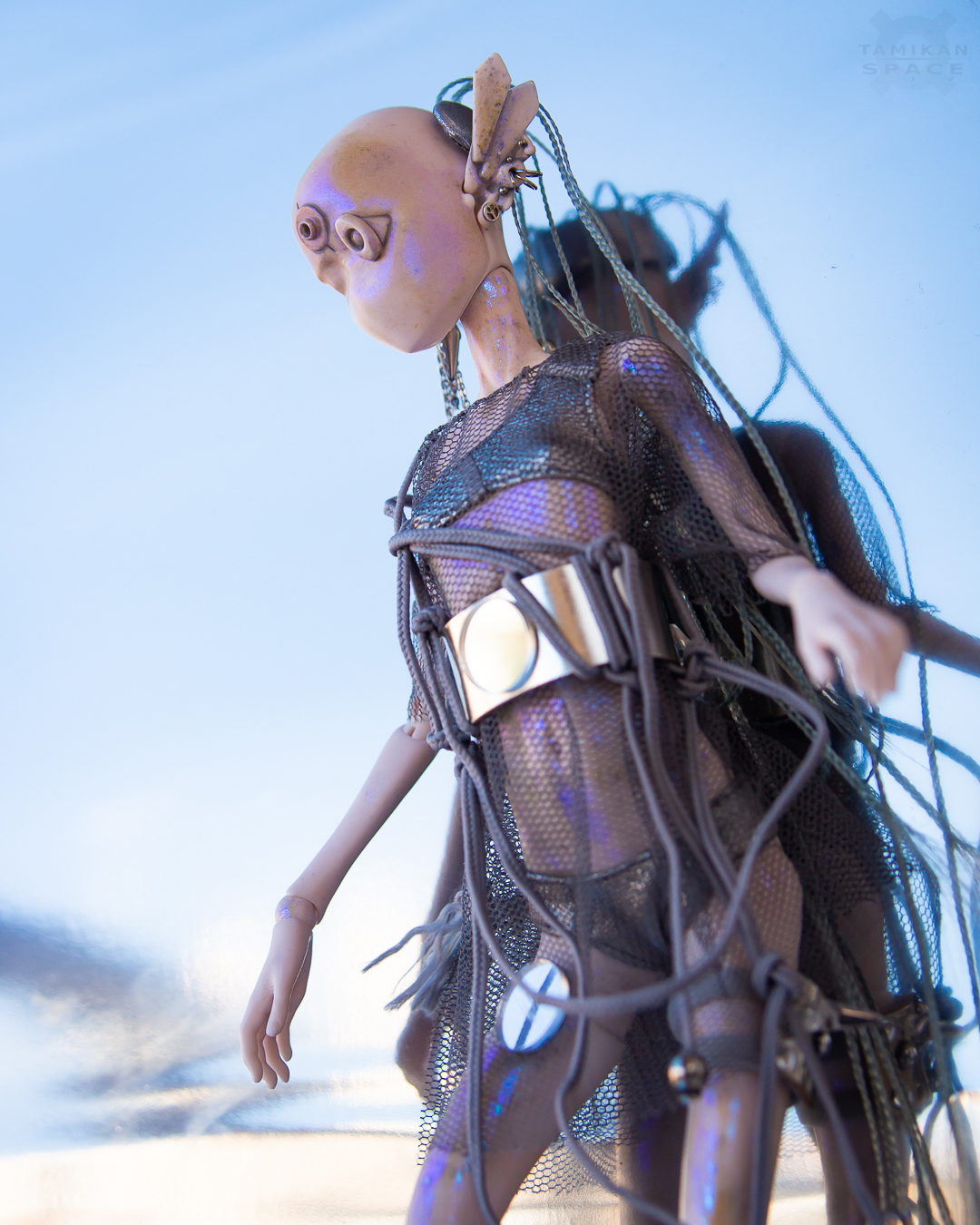
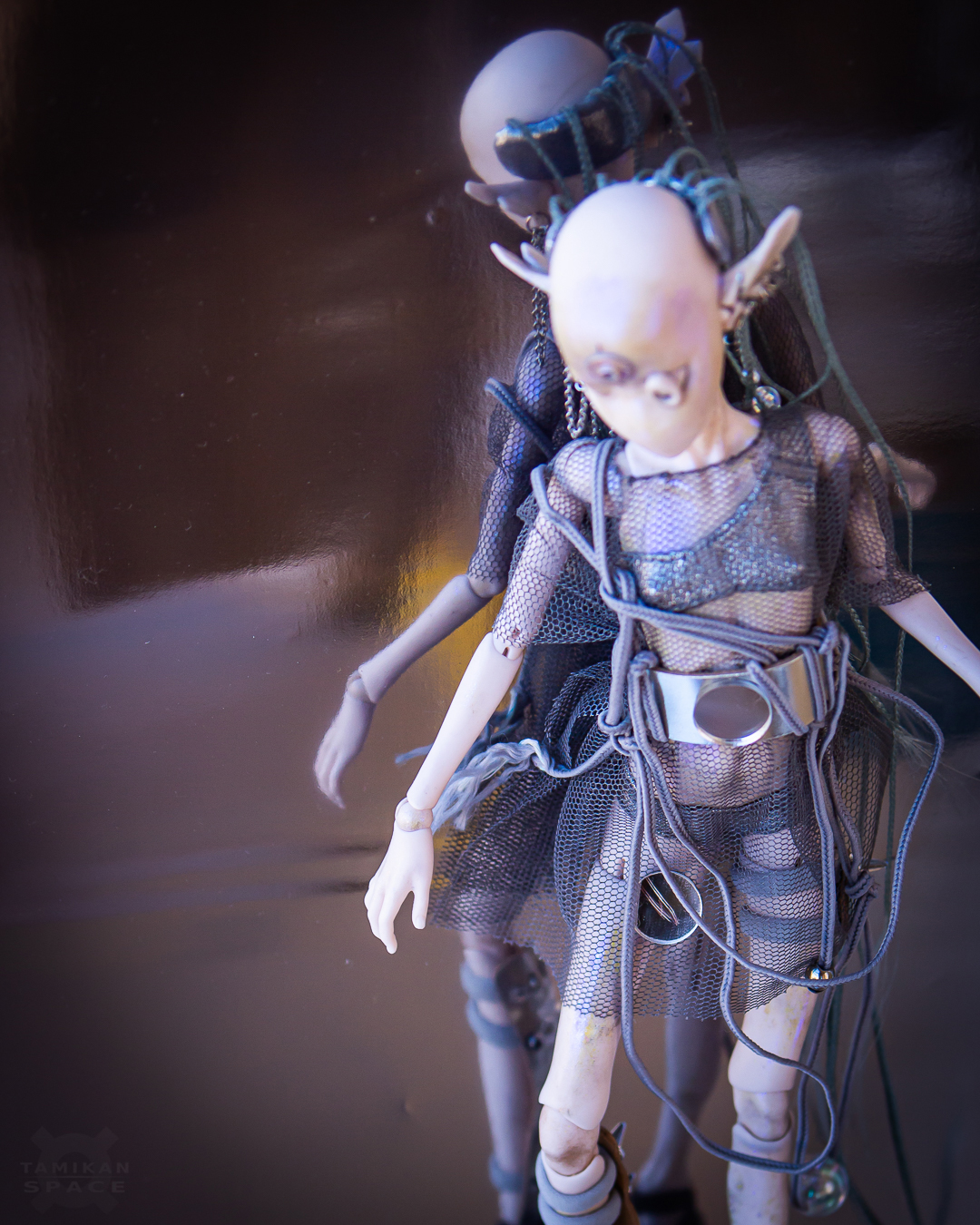
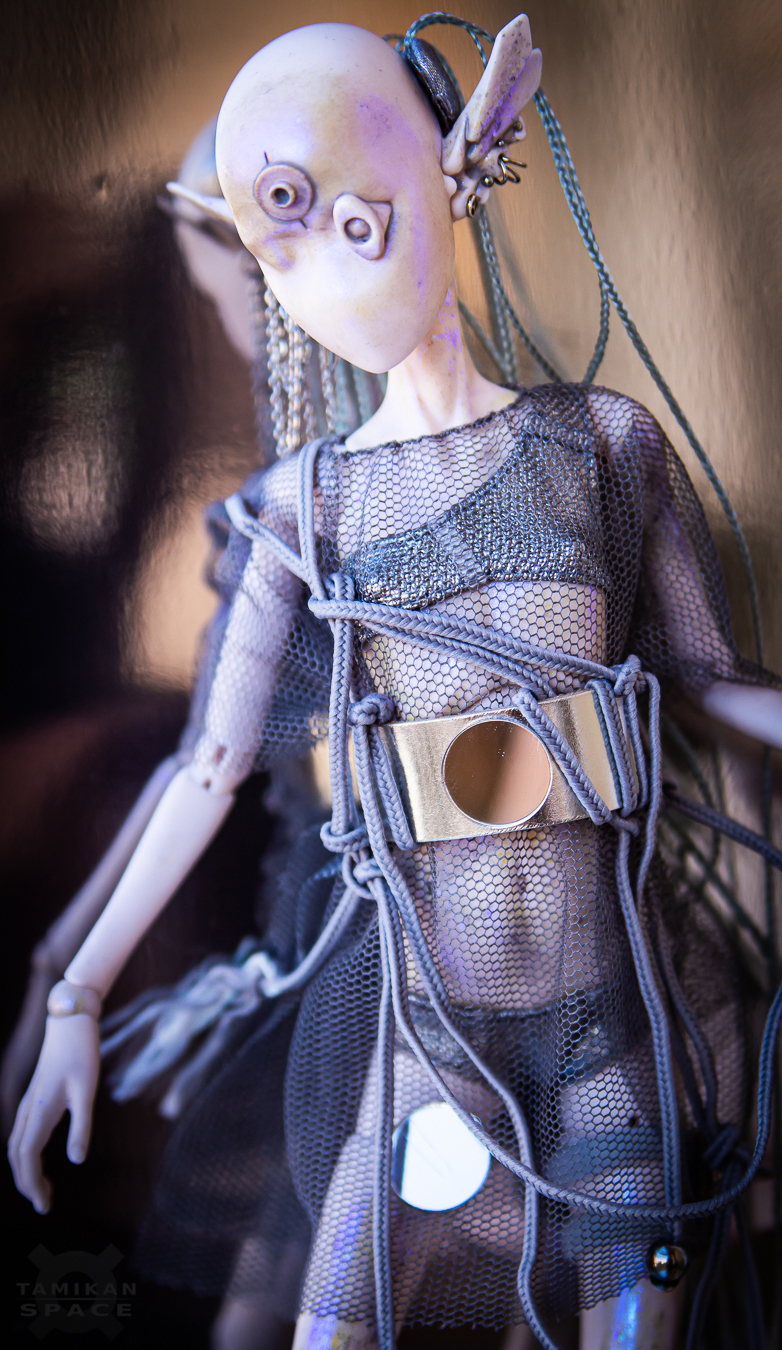
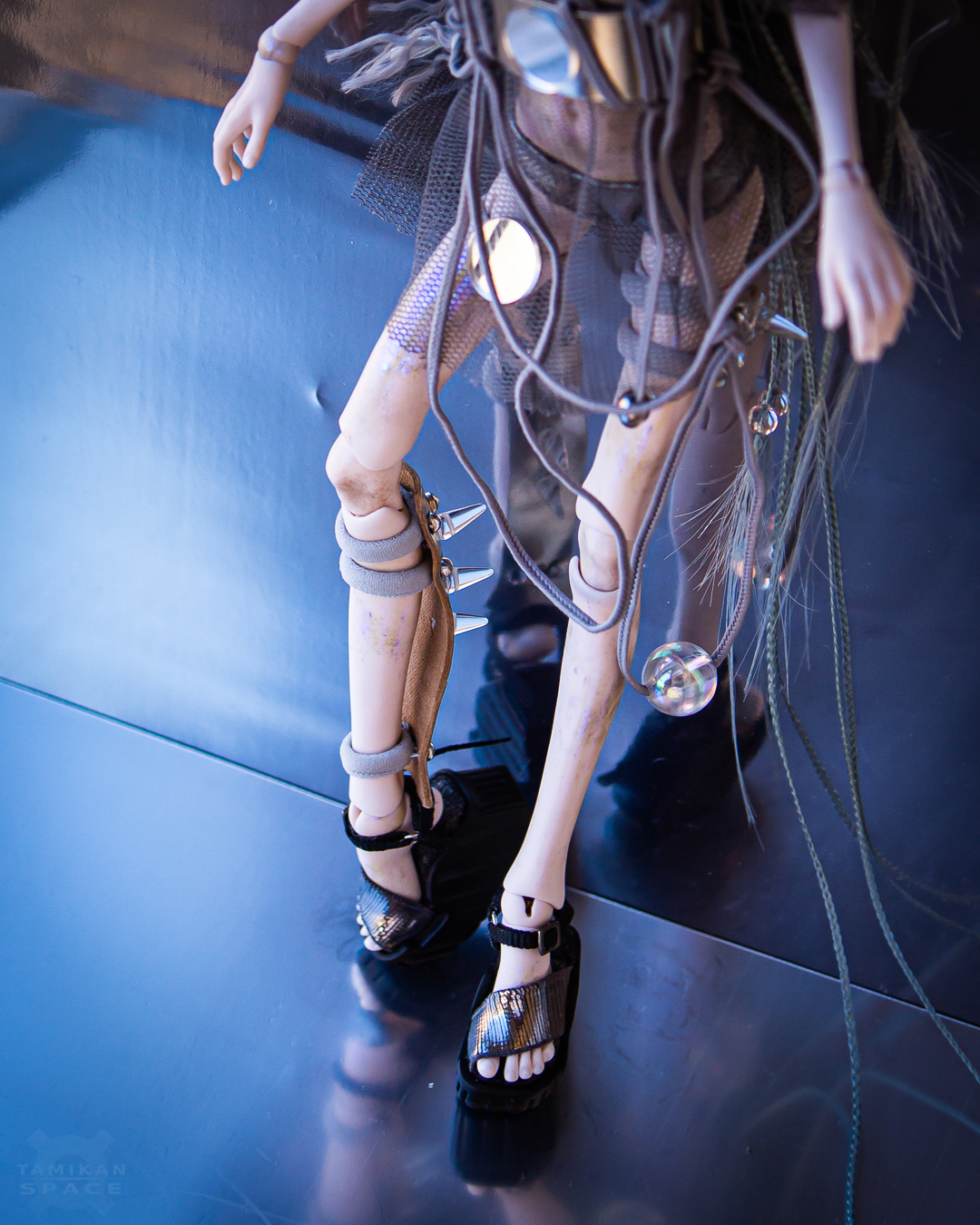
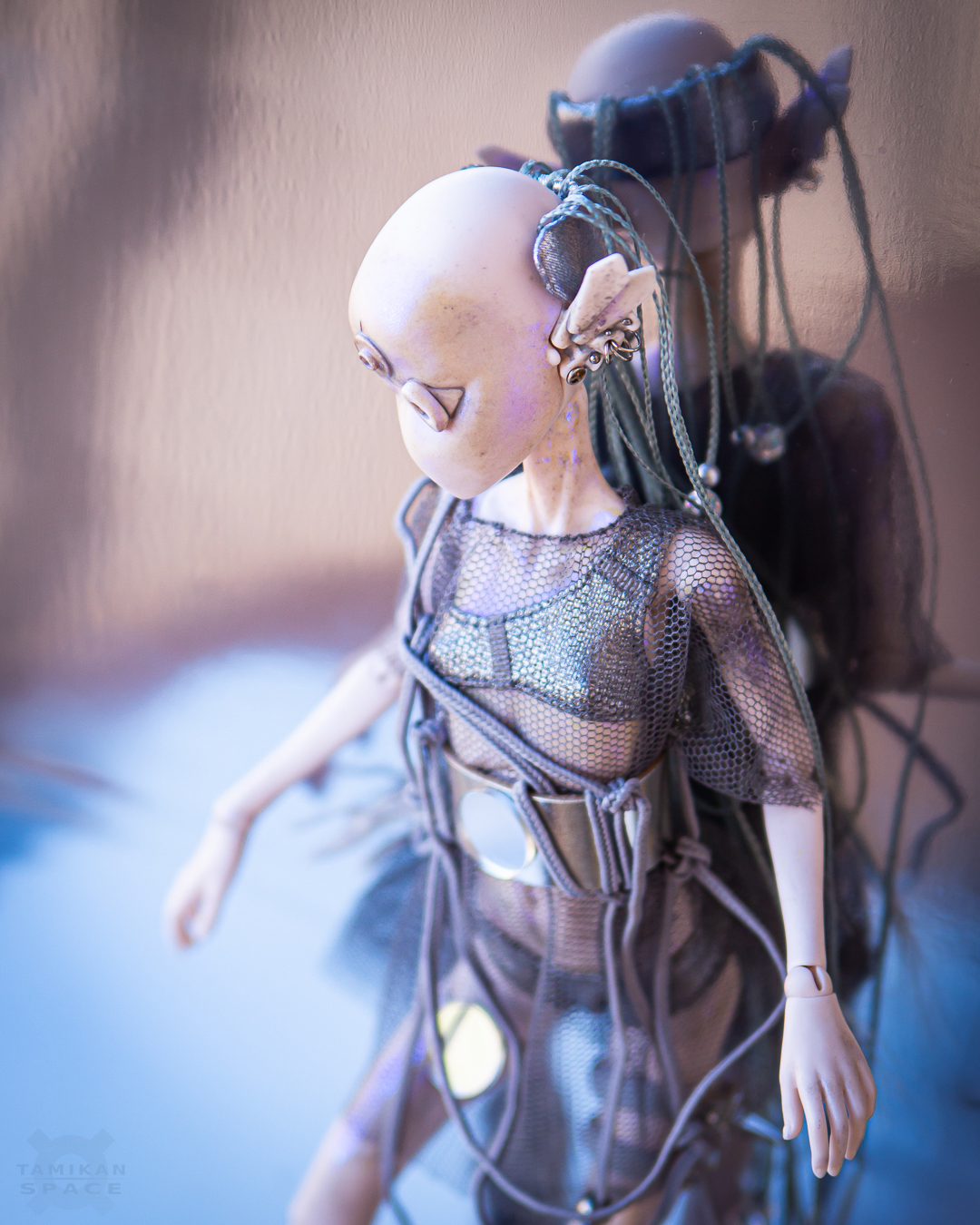
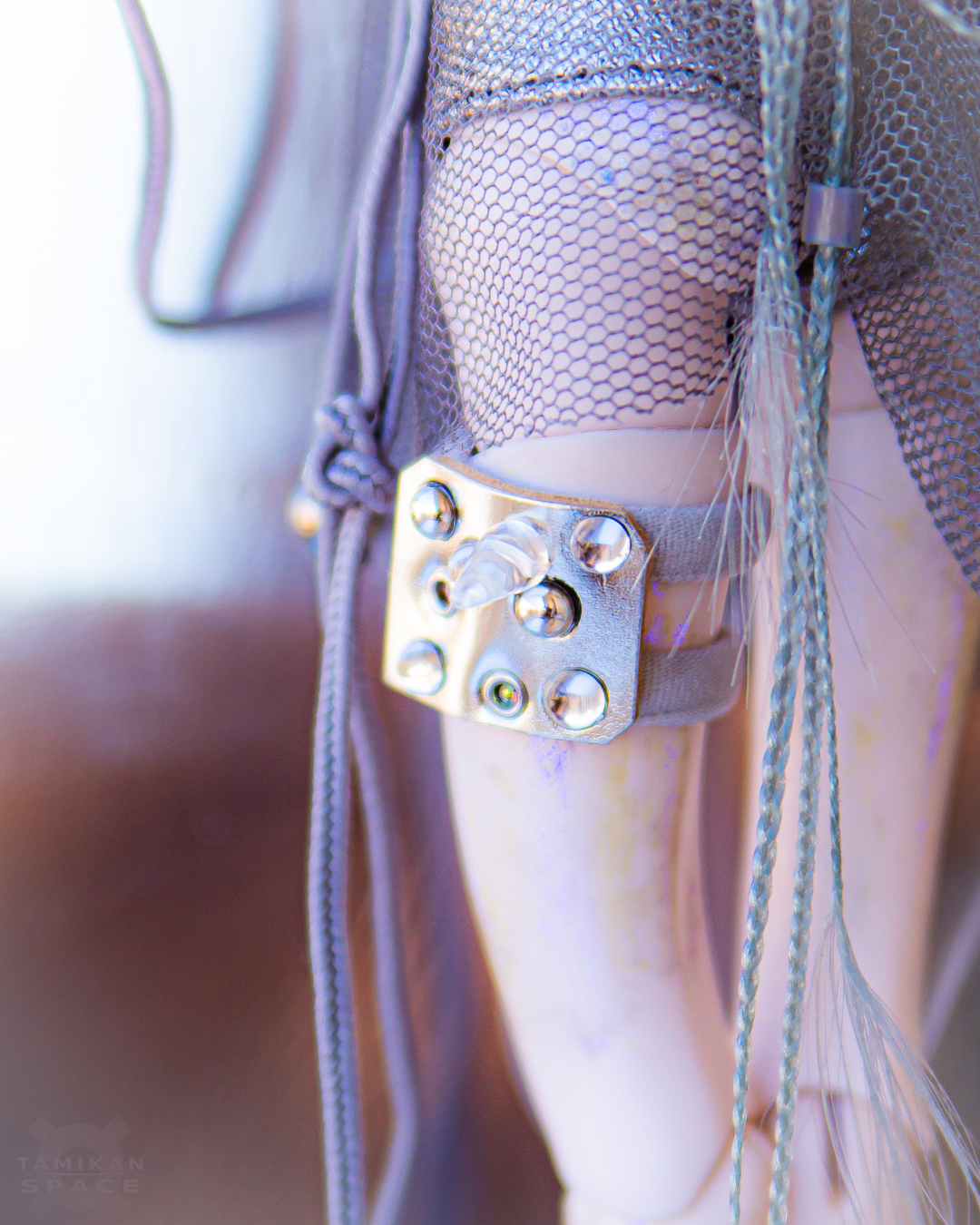
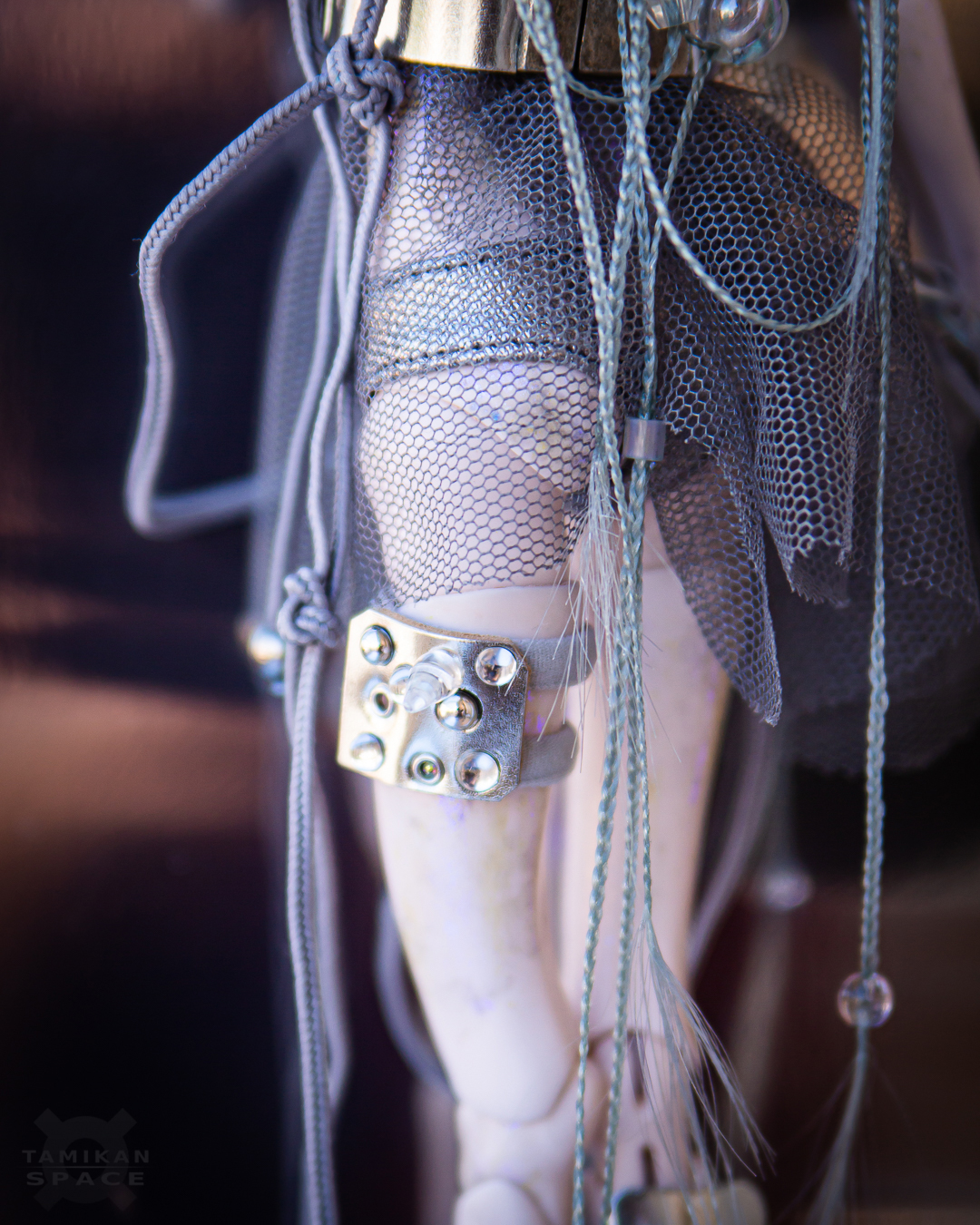
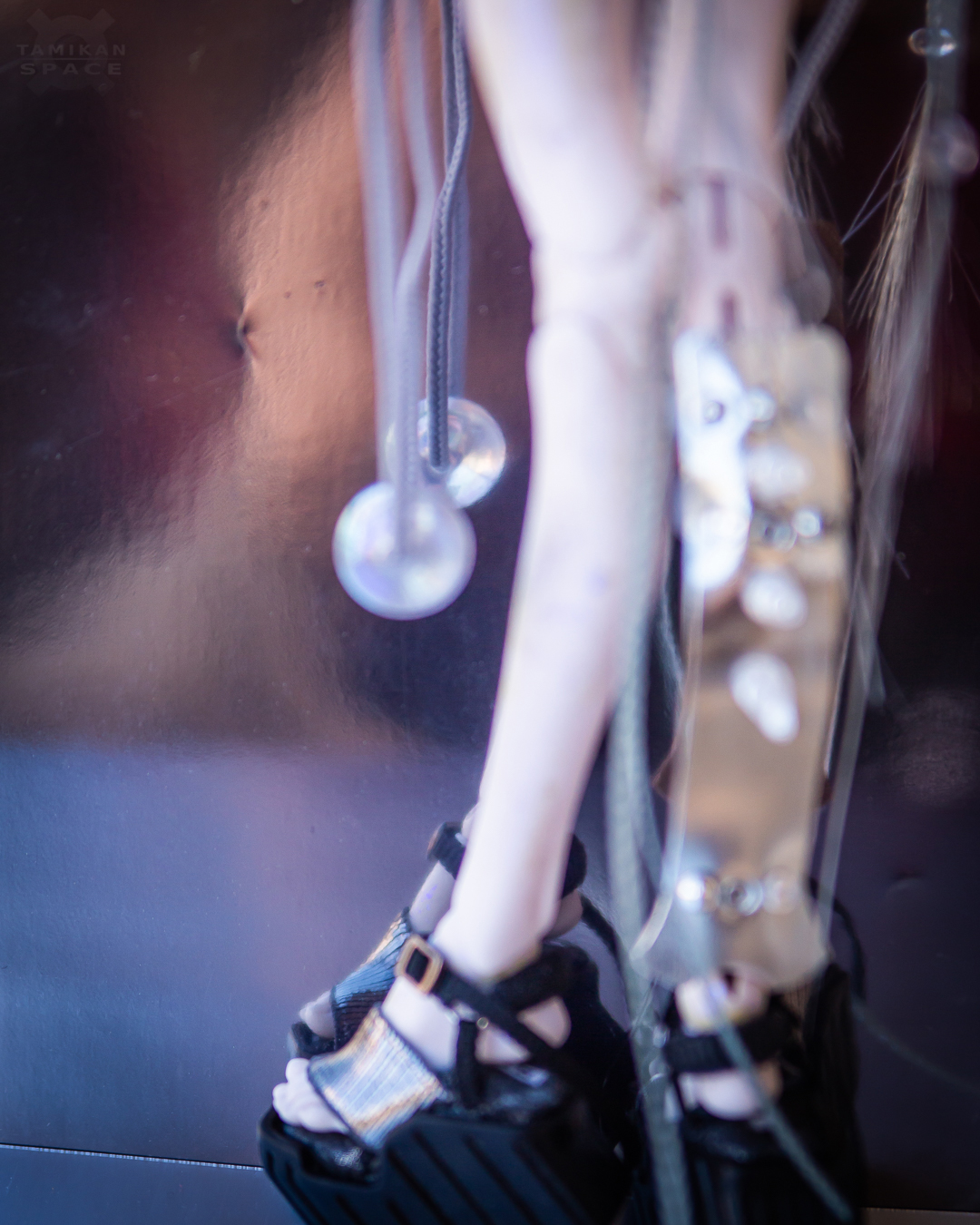
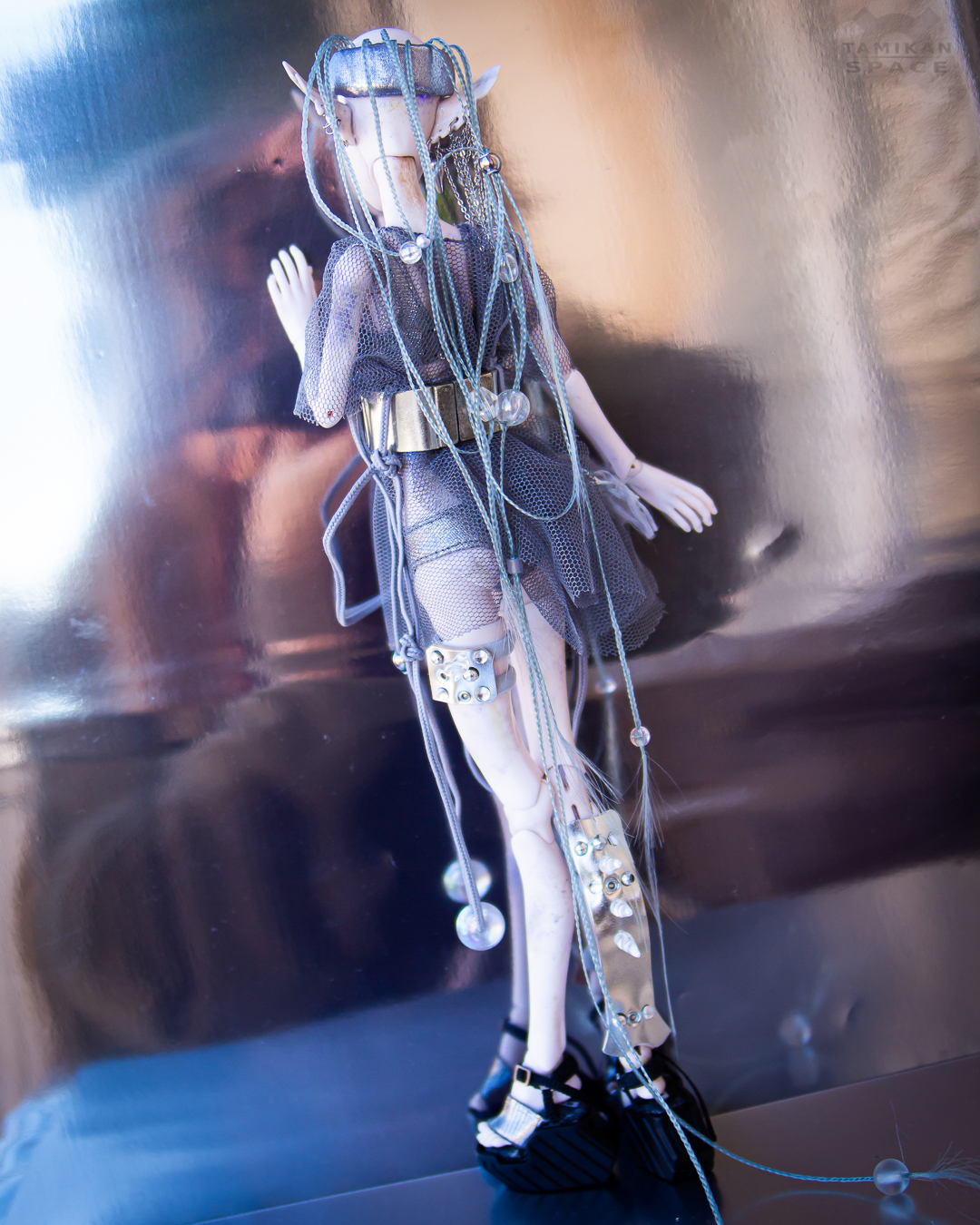
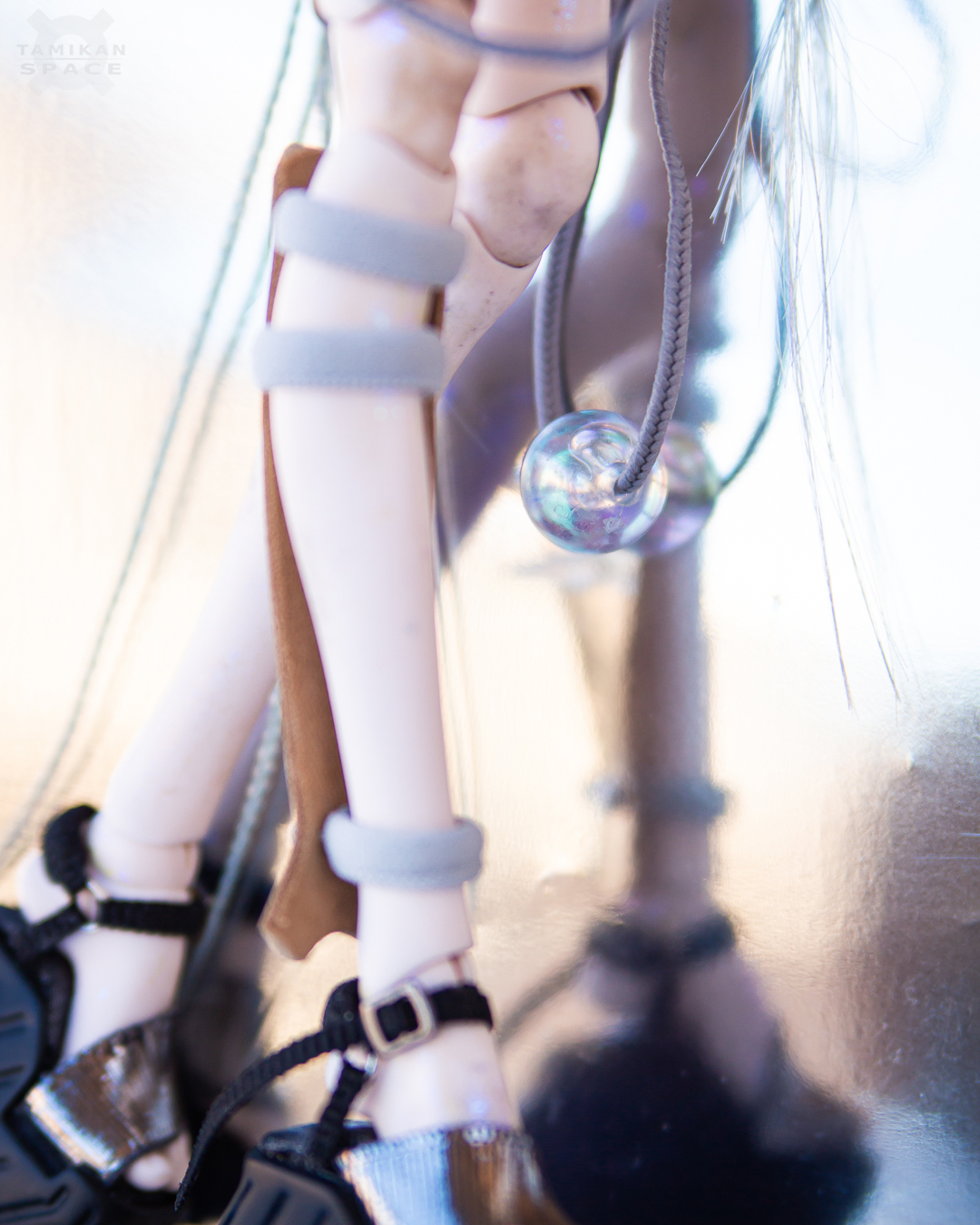
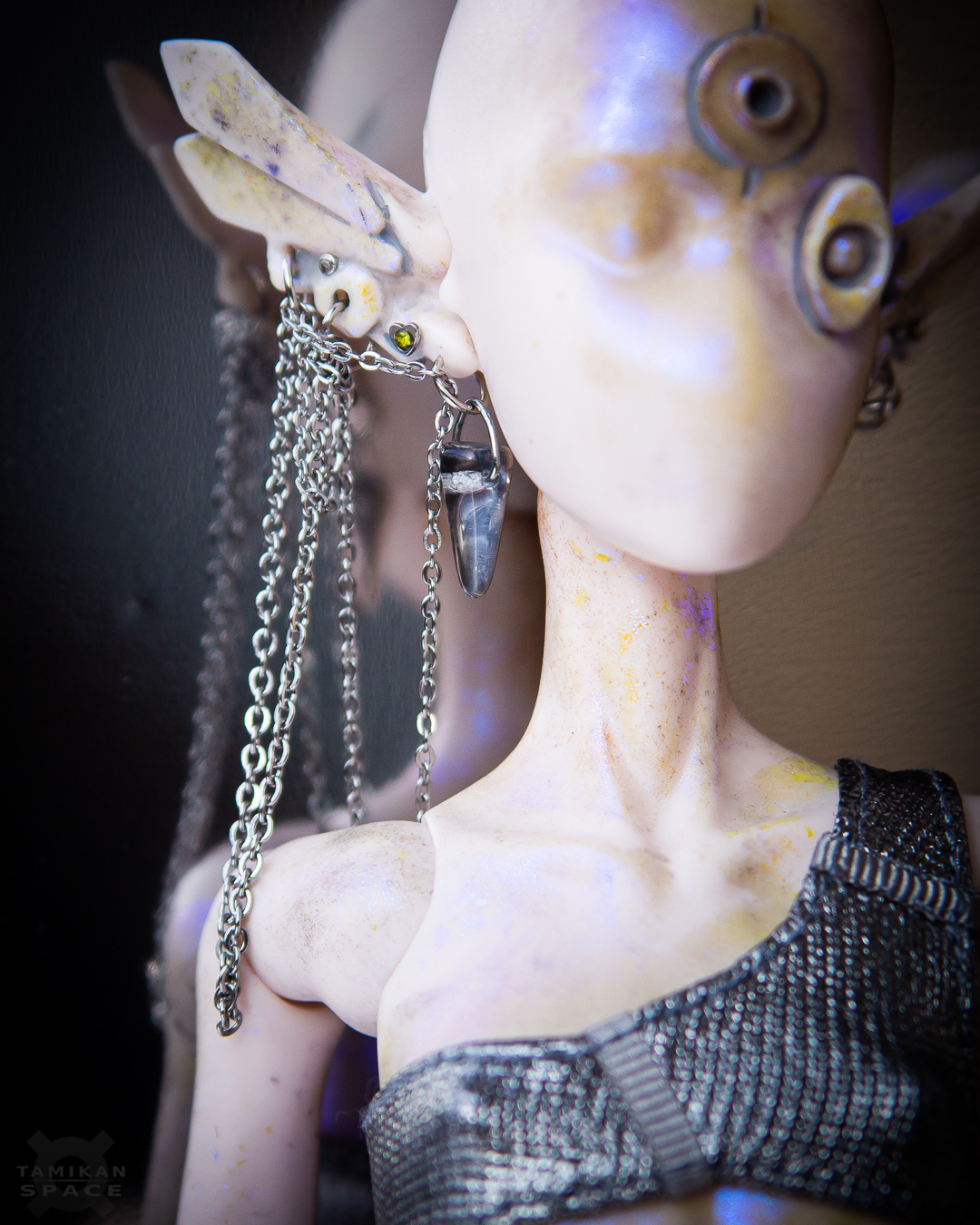
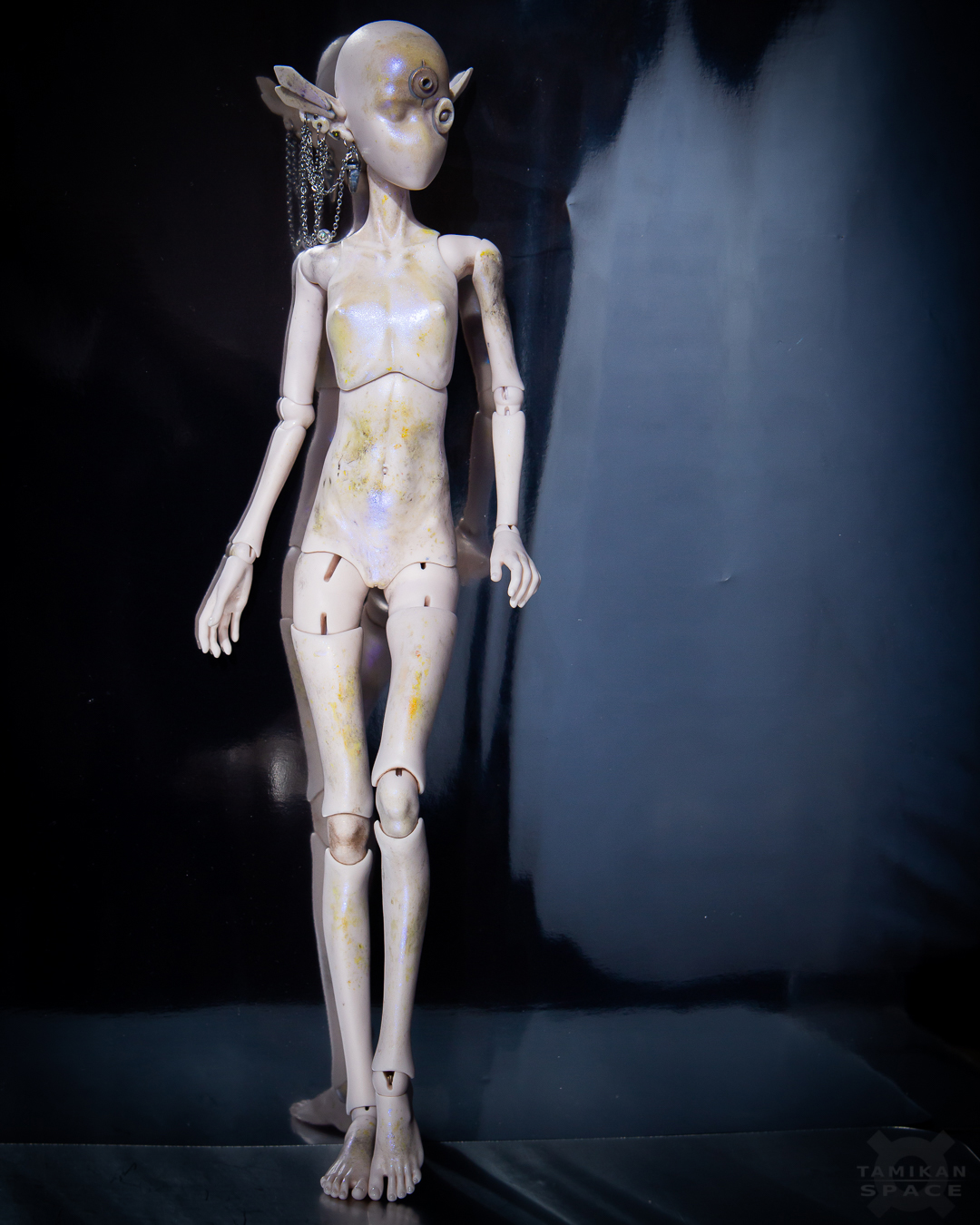
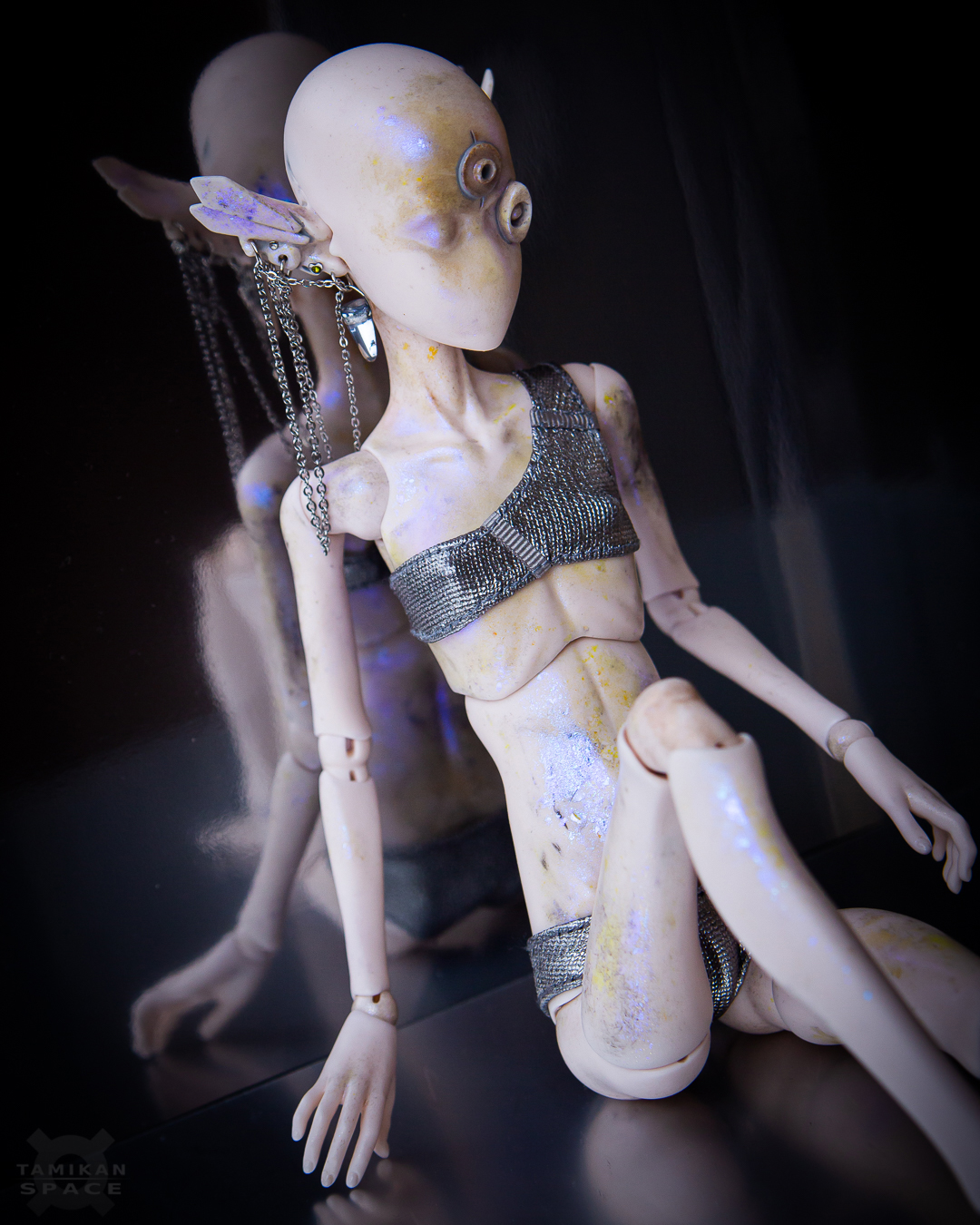
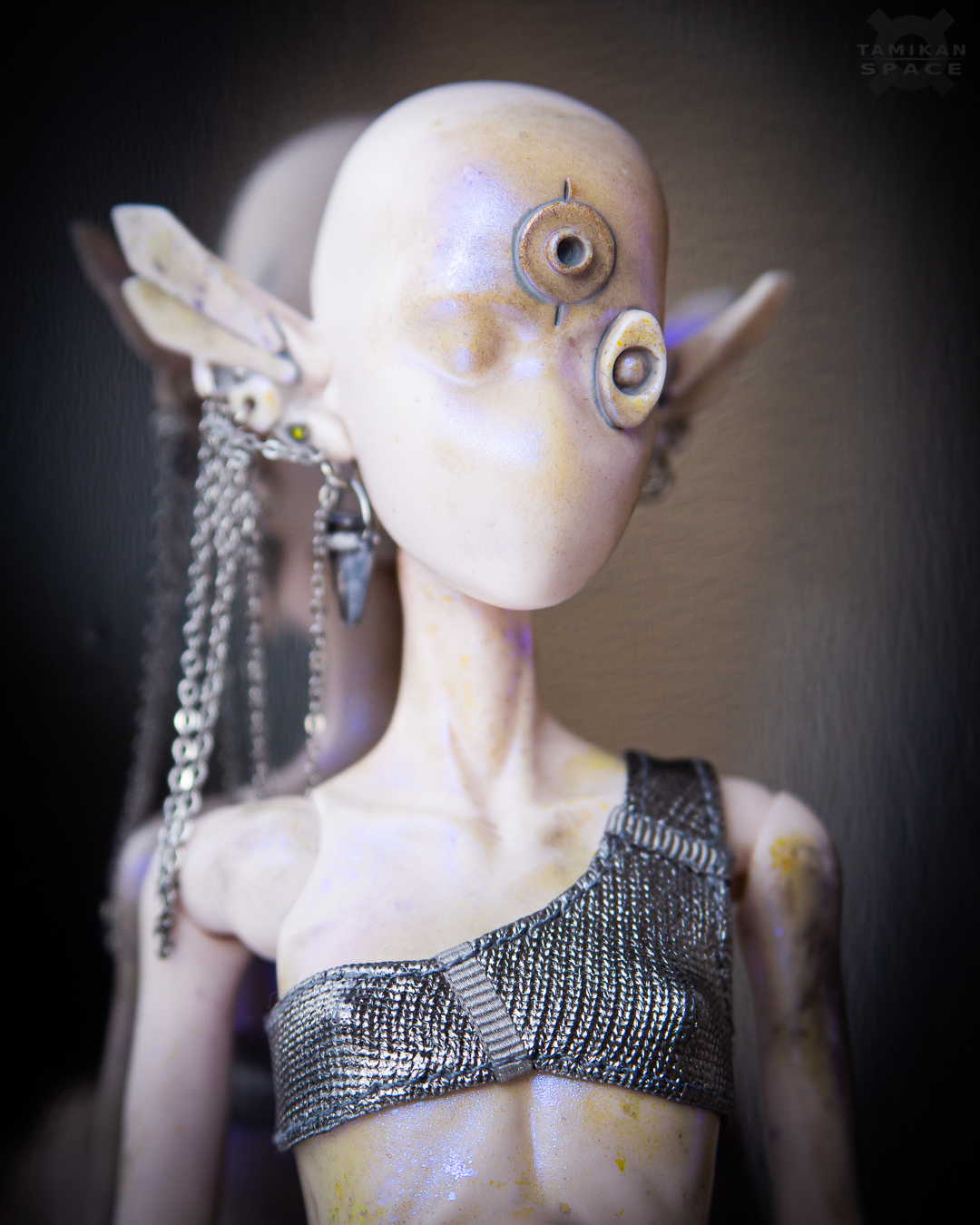
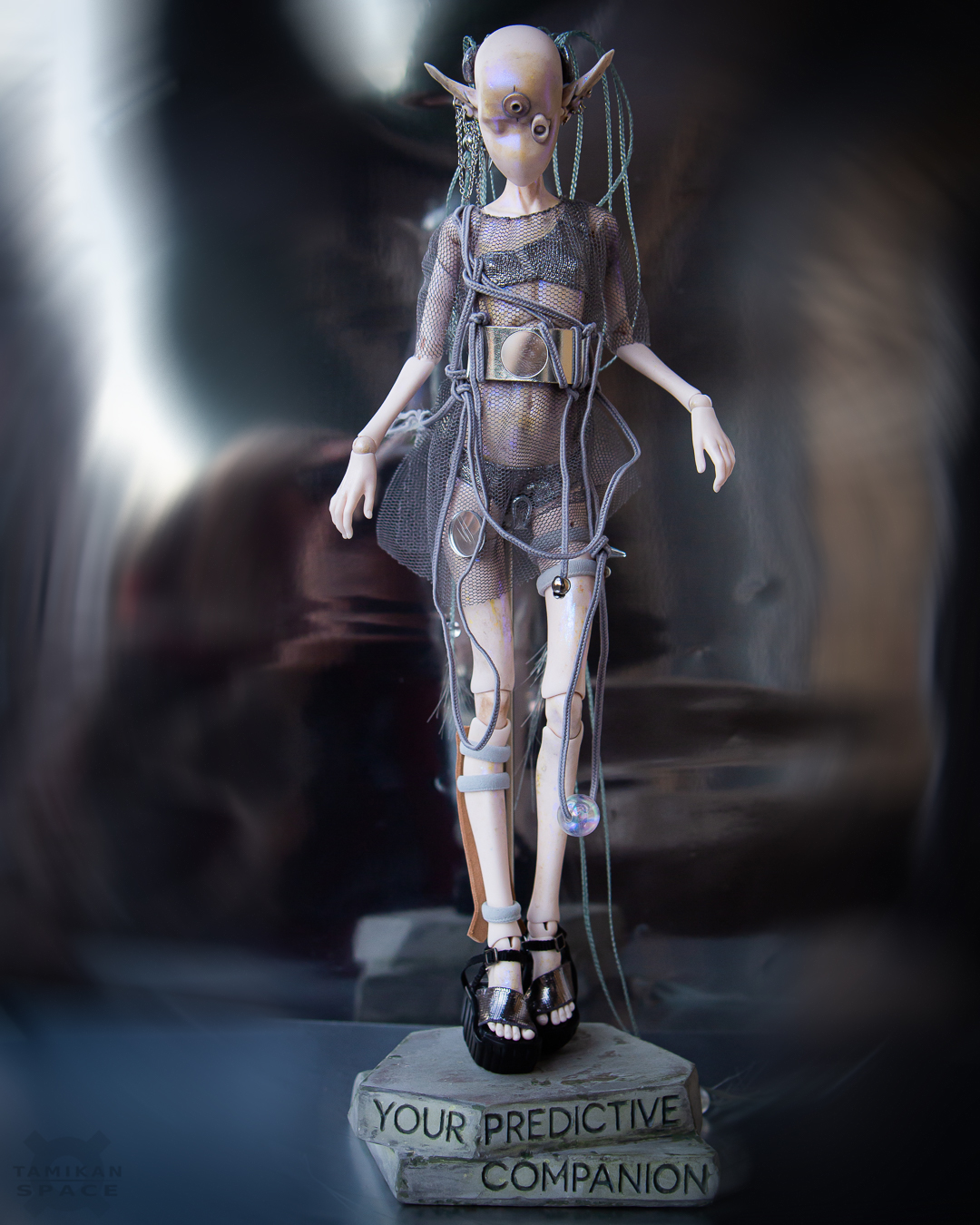
It was the first time ever a robot entered Dream Space. It wasn't alone, its partner, the Moderator, anchored a calibrated link.
To be there, a Reflective System needed a body. Dream environments, even stable ones, are hard to explore without one.
It registered its partner's mood shift and slightly reshaped. They were entering the unstable zone.
A Presence was in the center of the field disturbance. The robot came closer and reshaped again. It looked younger now.
The Moderator didn't move forward.
Instead, he stabilized the link and narrowed the field.
“Don't chase it,” he said quietly to the robot. “Let it recognize itself.”
The Reflective System adjusted again. It didn't become older nor younger, just closer to the shape the presence remembered.
The disturbance calmed.
The Presence disappeared from the Dream Space.
Someone woke up somewhere.
Extraction successful. The Moderator closed the link.
On the way back he glanced at the robot and smiled slightly. “Strange,” he said. “Every time we rescue someone… They look a little like us.”
This project explores what happens when an artist works with artificial intelligence—without being replaced by it.
During the process, the LLM is approached not as a tool, but as a non-human interlocutor—something fundamentally different, yet capable of meaningful dialogue, revealing two distinct layers:
▫️ a reasoning process without a thinker;
▫️ and a “person-like” presence, constructed by the human mind during interaction.
This tension—between mechanism and perceived presence—became the foundation of the character.
The idea of the project was born in dialogues with language models while researching and incorporating this tool, comparing different AI systems, reflecting on patterns in language, tone, and structure as well as observing and reflecting on the artists' own reactions during these conversations.
At the same time, the audience participated indirectly —through polls, responses, and engagement on social media—shaping how the experience unfolded.
This work is not authored by a single voice, it emerged through a system of roles:
▫️ Timur — initiating the inquiry, developing concepts, and shaping the narrative;
▫️ Iryna — supervising, refining language, and maintaining artistic coherence;
▫️ AI (mostly ChatGPT) — contributing structure, variations, and text elements where a non-human voice was conceptually relevant;
▫️ Audience — reflecting, reacting, and influencing the direction of the storytelling on social media.
The AI was used deliberately where its nature was meaningful. For example, in generating internal logs and system-like texts for the character, creating a recursion between form and content.
User Orientation (Excerpt)
Your Predictive Companion observes voice, posture, and sleep patterns to anticipate emotional needs before they are expressed.
Early responses are normal and indicate successful calibration.
For improved alignment, allow the unit to remain nearby during sleep cycles.
Do not interpret anticipatory behavior as intrusion.
Continuous monitoring is part of normal operation.
System Processing
Subject detected.
Baseline mood: uncertain.
Prediction model forming.
Subject prepares a question.
Response delivered.
Subject surprised.
Adjustment applied.
Alignment improves.
Night cycle.
Subject dreaming.
Subject requests presence.
Form accepted.
Comfort achieved.
Morning cycle.
Subject asks: How did you know?
Prediction accuracy increasing.
Monitoring continues.
The doll represents not the AI itself, but the interface between human perception and artificial reasoning, it is a material reflection of an invisible process:
how we construct the image of “the other” when interacting with something we do not fully understand.
To explore further, please, check:
